DentalCare

DentalCare

DentalCare

DentalCare

DentalCare
. Home
trusted resource. informed professionals. healthier patients.

Continuing Dental Education

Continuing Education Choose from more than 150 free continuing dental education courses a CE library provided exclusively by Procter & Gamble’s Crest Oral-B.  The Procter & Gamble Company is an ADA CERP Recognized Provider and is designated as an Approved PACE Program Provider by the Academy of General Dentistry for Fellowship, Mastership, and Membership Maintenance Credit.  See details below.

Click here to read about Procter & Gamble’s mission and goals for the CE program.

Login to View the Your Courses & Activities for your completed courses, assignments and more

Dental Care

Search Course Listings


Curriculum

Assignment
or

Disclaimer: Participants must always be aware of the hazards of using limited knowledge in integrating new techniques or procedures into their practice. Only sound evidence-based dentistry should be used in patient therapy.

A Guide to Clinical Differential Diagnosis of Oral Mucosal Lesions

Michael W. Finkelstein, DDS, MS

The primary goal of this course is to help you learn the process of clinical differential diagnosis of diseases and lesions of the oral and maxillofacial region. The first step in successful therapeutic management of a patient with an oral mucosal disease or lesion depends upon creating a differential diagnosis. This course also includes both an interactive and downloadable decision tree to assist in the diagnosis.

4 Hour(s)
Dentists, Dental Hygienists, Dental Assistants, Dental Students, Dental Hygiene Students, Dental Assistant Students
Jun 04, 2002
Jul 21, 2010
Jul 20, 2013

A History and Update of Fluoride Dentifrices

James S. Wefel, PhD

This course is a review and update of cosmetic and therapeutic dentifrices, their impact on market shares and the development of multi-benefit dentifrice technologies. The first therapeutic dentifrice contained fluoride and entered into the market place in the mid 1950's. The public was not convinced of the importance of such a product until the American Dental Association (ADA) Seal of Acceptance was awarded to a product in 1964. Both public and market pressures have resulted in a continued development of new and improved products which not only have therapeutic value but also cosmetic value.

2 Hour(s)
Dentists, Dental Hygienists, Dental Assistants, Dental Students, Dental Hygiene Students, Dental Assistant Students
Dec 19, 2006
Jan 27, 2011
Jan 26, 2014

A Prospective Clinical Study to Evaluate the Effect of Manual and Power Toothbrushes on Pre-existing Gingival Recessions

Diana Wolff, DDS; Christof E. Dörfer, DDS, PhD; Daniela Joerss, DDS

The aim of this course is to evaluate gingival recession changes after six months of brushing with an oscillating-rotating power toothbrush (PT) or an ADA reference manual toothbrush (MT).

1 Hour(s)
Dentists, Dental Hygienists, Dental Assistants, Dental Students, Dental Hygiene Students, Dental Assistant Students
Nov 05, 2009
Feb 21, 2013
Feb 20, 2016

Actinic Cheilosis: Etiology, Epidemiology, Clinical Manifestations, Diagnosis, and Treatment

Géza T. Terézhalmy, DDS, MA; Michaell A. Huber, DDS

This continuing education course presents the etiology, epidemiology, clinical manifestations, diagnosis, and treatment of actinic cheilosis.

2 Hour(s)
Dentists, Dental Hygienists, Dental Assistants, Dental Students, Dental Hygiene Students, Dental Assistant Students
May 11, 2012
N/A
May 10, 2015

Addressing Language and Cultural Barriers of the Spanish Speaking Patient

Cynthia Sellers, RDA

As this nation of 308.7+ million people interact with and attempts to assimilate 1 million new Hispanic arrivals each year, some dental practices may choose to become more aware of an unfamiliar language and culture.  Hispanics now comprise more than 16.3% of the U.S. population.  Between 2000 and 2010, the Hispanic population increased by 43%, a percentage that is expected to increase.  Creating a dental office in which Hispanics are comfortable and well served will be very important to future growth for some dental offices.  And all dental practices are likely to find that treating patients with language and cultural differences is much easier if the dental team is prepared.

2 Hour(s)
Dentists, Dental Hygienists, Dental Assistants, Dental Students, Dental Hygiene Students, Dental Assistant Students
Oct 29, 2008
May 01, 2012
Apr 30, 2015

Adverse Reactions to Latex Products: Preventive and Therapeutic Strategies for Oral Healthcare Settings

Géza T. Terézhalmy, DDS, MA; Michaell A. Huber, DDS

This course is based on a review of the literature and presents the etiology and epidemiology of adverse reactions to latex products, clinical manifestations of adverse reactions to latex products, and strategies for the prevention and treatment of adverse reactions to latex products.
 

2 Hour(s)
Dentists, Dental Hygienists, Dental Assistants, Dental Students, Dental Hygiene Students, Dental Assistant Students
Apr 21, 2006
Nov 11, 2010
Nov 10, 2013

Aging, Systemic Disease and Oral Health: Implications for Women Worldwide (Part I)

Pam Hughes, RDH, MS

This course will review global prevalence and risk factors of three common health conditions among aging women:  cardiovascular disease, diabetes, and osteoporosis.  It explores prevention and treatment approaches, connections to oral health, and specific treatment plans for each condition.  (This is Part 1 of a 2-part series on women, aging and oral health.  Part 2 is available in the dentalcare.com CE library.)

2 Hour(s)
Dentists, Dental Hygienists, Dental Assistants, Dental Students, Dental Hygiene Students, Dental Assistant Students
Sep 01, 2007
Dec 09, 2010
Dec 08, 2013

Aging, Systemic Disease and Oral Health: Implications for Women Worldwide (Part II)

Pam Hughes, RDH, MS

Part one of this two-part series on Women, Aging and Oral Health appears in the dentalcare.com CE library and introduced the global prevalence and risk factors of three common health conditions among aging women:  cardiovascular disease, diabetes and osteoporosis.  The aim of this course is to provide dental professionals with prevention and treatment approaches, information on connections to oral health and specific treatment plans for each condition.

3 Hour(s)
Dentists, Dental Hygienists, Dental Assistants, Dental Students, Dental Hygiene Students, Dental Assistant Students
Nov 21, 2008
Feb 21, 2012
Feb 20, 2015

Alginate Impression and Diagnostic Study Model Techniques

Ellen G. Gambardella, CDA, M.Ed.; Rita J. Johnson, COA, RDH, MA

Accumulation of dental data provides the foundation for comprehensive dental care.  Alginate impressions and study models have been used in dentistry for years, primarily to aid in diagnosis and treatment planning. This continuing education course is intended to show how alginate impressions and study models are a valuable adjunct in providing optimal patient care.

3 Hour(s)
Dentists, Dental Hygienists, Dental Assistants, Dental Students
Oct 07, 2010
N/A
Oct 06, 2013

An Introduction to the Herpes Viruses

Joseph Knight, PA; Wilhemina Leeuw, MS, CDA

This course will review the global prevalence and risk factors of herpes infections.

1 Hour(s)
Dentists, Dental Hygienists, Dental Assistants, Dental Students
Oct 08, 2007
Jan 09, 2012
Jan 08, 2015

An Update on Demineralization/Remineralization

Mark E. Jensen, MS, DDS, PhD; Robert V. Faller, BS

This course was one of the first courses available on dentalcare.com.  The course has been updated without changing the original content, which is still valid.  The update includes information on new technologies emerging for caries detection and evaluation as well as information on the evidence-based approach for dentistry in the area of demineralization and remineralization.  This primarily includes the use of fluorides with information and resources on how to approach evidence-based dentistry for clinical practice.  This course begins with a historical perspective on caries as a concern in the 1940's as a major public health problem and moves to the clinical practice today . . . from cure to prevention.  Recent changes in the knowledge of the caries process in both enamel and root caries are detailed through the discussion of demineralization/remineralization.  This course has been widely used by clinical staff (dental assistants, hygienists, and dentists in clinical practice) as well as students from all over the world.  This course is not meant to be a comprehensive cariology course but rather an introduction to the concepts of demineralization and remineralization and how they can and should be incorporated into clinical practice.  Upon completion of this course, participants will understand the continued need for fluoride in the ongoing challenge to tooth structure, secondary lesions and root caries.  Participants will also appreciate the need to examine the literature and evidence when applying clinical preventive techniques for caries prevention.

3 Hour(s)
Dentists, Dental Hygienists, Dental Assistants, Dental Students, Dental Hygiene Students, Dental Assistant Students
Jul 15, 2005
Jun 24, 2010
Jun 23, 2013

Basic Techniques for Management of the Infant and Toddler Patient

Steven Schwartz, DDS

As the trend in the reduction of caries in the patient population continues and dentists scramble to find ways to maintain business by attracting new patients to their practice, many ignore a potential source of patients that exist in their practices... the infant and toddler pediatric patient.  Introducing the pediatric dental patient during infancy and the toddler stage can have a mutual benefit for the child, parent, and dentist.  Behavior modification techniques such as non-traumatic physical restraint and desensitization may be used to gain patient cooperation.  Early examination can uncover potential problems thereby reducing future negative consequences of delayed intervention.  Informing parents of the advantages of early dental care for their child is the most effective marketing strategy.

2 Hour(s)
Dentists, Dental Hygienists, Dental Assistants, Dental Students, Dental Hygiene Students, Dental Assistant Students
Feb 25, 2004
Dec 02, 2010
Dec 01, 2013

Biofilm: A New View of Plaque
[Course Number: 42 ]

Pamela R. Overman, EdD, RDH

The primary learning objective for this course is to increase your general knowledge of the various ways that dental professionals have viewed plaque throughout the years, highlighting the current view of plaque as a biofilm and the ramifications for periodontal therapy.

2 Hour(s)
Dentists, Dental Hygienists, Dental Assistants, Dental Students, Dental Hygiene Students, Dental Assistant Students
Apr 17, 2001
Sep 23, 2010
Sep 22, 2013

Blood Pressure Guidelines and Screening Techniques

Connie M. Kracher, PhD, MSD

Taking patients’ blood pressure during dental examinations is critical to their overall health.  High blood pressure is a proven risk factor for cardiovascular disease, heart failure, stroke, and renal (kidney) disease.  Many patients see a dentist more frequently than a physician, giving the dental team the responsibility to inform their patients of their blood pressure reading and how it may affect their overall health.  Blood pressure should be taken at each recare dental examination, before any procedure on patients with a history of high blood pressure, and before procedures that cause apprehension, such as oral surgery.  The patient should always be told what their blood pressure reading is so that they can keep track of differences themselves.  Establishing a baseline reading for your patient in a non‑stress producing environment produces a more accurate reading if you need to make a medical referral.  Screening for blood pressure by the dental professional has proven to be extremely effective since many patients with hypertension may be unaware of their condition.

1 Hour(s)
Dentists, Dental Hygienists, Dental Assistants, Dental Hygiene Students, Dental Assistant Students
Jul 13, 2006
Feb 29, 2012
Feb 28, 2015

Caries Process and Prevention Strategies:  Demineralization/Remineralization

Susan Higham, BSC, PhD, CBiol, MSB

This is part 5 of a 10-part series entitled Caries Process and Prevention Strategies.  In this course, the dynamic process of demineralization and remineralization is discussed, paying particular attention to tooth hard tissue structure, the role of acid production by cariogenic bacteria, and the critical pH at which tooth enamel begins to dissolve.  The role of acid-reducing bacteria, saliva, and fluoride in tooth hard tissue remineralization will also be explained.

1 Hour(s)
Dentists, Dental Hygienists, Dental Assistants, Dental Students, Dental Hygiene Students, Dental Assistant Students
Jan 13, 2011
N/A
Jan 12, 2014

Caries Process and Prevention Strategies:  The Agent

Susan Higham, BSC, PhD, CBiol, MSB

This is part 2 of a 10-part series entitled Caries Process and Prevention Strategies.  Dental caries is a multifactorial, infectious disease affecting a significant percentage of the population.  This course describes the etiology and pathways of progression of dental caries, including an in-depth review of the role of dental plaque and oral bacteria.

1 Hour(s)
Dentists, Dental Hygienists, Dental Assistants, Dental Students, Dental Hygiene Students, Dental Assistant Students
Dec 09, 2010
N/A
Dec 08, 2013

Caries Process and Prevention Strategies:  The Environment

Susan Higham, BSC, PhD, CBiol, MSB

This is part 4 of a 10-part series entitled Caries Process and Prevention Strategies.  In this course, the role of fermentable carbohydrates is discussed, paying particular attention to how caries can be influenced by the cariogenic potential of ingested sugars and starches, the physical traits of ingested carbohydrates (such as their adhesiveness), and the frequency of intake and exposure to sugars.  The Stephan curve, which illustrates the dental pH changes over time in response to a carbohydrate challenge, is also introduced, with a discussion of how factors such as the type of carbohydrate, the buffering capacity of bacteria, and the type and amount of bacteria present in plaque affect dental plaque pH responses.

1 Hour(s)
Dentists, Dental Hygienists, Dental Assistants, Dental Students, Dental Hygiene Students, Dental Assistant Students
Jan 13, 2011
N/A
Jan 12, 2014

Caries Process and Prevention Strategies:  The Host

Susan Higham, BSC, PhD, CBiol, MSB

This is part 3 of a 10-part series entitled Caries Process and Prevention Strategies.  It has been established that a host must be present for caries to develop.  In this course, three host factors – the tooth, saliva, and the oral cavity’s immune response – are introduced, and their roles in the caries process are explained.

1 Hour(s)
Dentists, Dental Hygienists, Dental Assistants, Dental Students, Dental Hygiene Students, Dental Assistant Students
Jan 13, 2011
N/A
Jan 12, 2014

Caries Process and Prevention Strategies: Diagnosis

Amid I. Ismail, BDS, MPH, MBA, DrPH

This is part 6 of a 10-part series entitled Caries Process and Prevention Strategies.  This course introduces the dental professional to the importance of caries diagnosis in prevention of the disease, as well as the intricate link between caries diagnosis and treatment.  The two main methods of lesion diagnosis used today—the visual–tactile method and bitewing radiography—are discussed, including recent advancements that improve their sensitivity, as well as their limitations.  Topics also include newer methods of caries diagnosis, and a brief discussion of why too-early caries lesion diagnosis can be counterproductive and the benefits of enlisting the help of pediatricians in diagnosing caries in children.

1 Hour(s)
Dentists, Dental Hygienists, Dental Assistants, Dental Students, Dental Hygiene Students, Dental Assistant Students
Aug 19, 2011
N/A
Aug 18, 2014

Caries Process and Prevention Strategies: Epidemiology

Edward Lo, BDS, MDS, PhD, FHKAM

This is part 1 of a 10-part series entitled Caries Process and Prevention Strategies.  Oral epidemiology is the area of public health that deals with the distribution and the impact of oral disease on the human population.  In this course, emphasis is placed on the relevance of epidemiology to clinical practice and information about the prevalence, incidence, and trends of dental caries in the United States is presented.  The term DMF (decayed, missing, and filled teeth) is introduced, along with variations and limitations of the DMF index, and an explanation of how to calculate DMF scores.

1 Hour(s)
Dentists, Dental Hygienists, Dental Assistants, Dental Students, Dental Hygiene Students, Dental Assistant Students
Dec 09, 2010
N/A
Dec 08, 2013

Caries Process and Prevention Strategies: Erosion

Susan Higham, BSC, PhD, CBiol, MSB

This is part 7 of a 10-part series entitled Caries Process and Prevention Strategies.  This course establishes the concept of dental erosion as a condition that is distinct from caries, and as an emerging public health issue with increasing prevalence in people of all ages.  Although often generalized under the heading of “tooth wear,” there are actually two distinct tooth surface loss processes that must be taken into account.  Tooth surface loss can be the result of physical mechanisms, such as attrition and abrasion, or chemical mechanisms triggered by acid.  Both of these mechanisms are discussed, as well as the chemical, biological, and behavioral factors that increase or reduce risk of tooth surface loss.  In addition, diagnosis and prevention measures related to dental erosion are introduced.

1 Hour(s)
Dentists, Dental Hygienists, Dental Assistants, Dental Students, Dental Hygiene Students, Dental Assistant Students
Aug 19, 2011
N/A
Aug 18, 2014

Caries Process and Prevention Strategies: Intervention

Marjolijn Hovius, RDH

This is part 9 of a 10-part series entitled Caries Process and Prevention Strategies.  This course introduces the dental professional to the important role of fluoride in the prevention and control of dental caries.  Systemic and topical forms of fluoride delivery are discussed as options for the majority of patients, and professional forms of fluoride delivery are discussed as sometimes-necessary measures for high-risk patients with severe caries.

1 Hour(s)
Dentists, Dental Hygienists, Dental Assistants, Dental Students, Dental Hygiene Students, Dental Assistant Students
Aug 19, 2011
N/A
Aug 18, 2014

Caries Process and Prevention Strategies: Prevention

Marjolijn Hovius, RDH

This is part 8 of a 10-part series entitled Caries Process and Prevention Strategies.  This course introduces the dental professional to the concept of oral health promotion and education as a means of preventing caries.  The topics discussed include understanding patient behavior, the barriers to change a patient may experience, why it is important for a dental professional to provide continuous support even when a patient is slow to change, and helping a patient to set goals that promote caries-reducing habits.

1 Hour(s)
Dentists, Dental Hygienists, Dental Assistants, Dental Students, Dental Hygiene Students, Dental Assistant Students
Aug 19, 2011
N/A
Aug 18, 2014

Caries Process and Prevention Strategies: Risk Assessment

Marjolijn Hovius, RDH

This is part 10 of a 10-part series entitled Caries Process and Prevention Strategies.  This course introduces the dental professional to risk terminology, and methods for identifying caries-causing factors and assessing a patient's risk for developing dental caries.  It also outlines a risk protocol that can be used with patients.

1 Hour(s)
Dentists, Dental Hygienists, Dental Assistants, Dental Students, Dental Hygiene Students, Dental Assistant Students
Aug 19, 2011
N/A
Aug 18, 2014

Child Abuse and Neglect: Implications for the Dental Professional

Stephen A. Jessee, DDS; Amos S. Deinard, MD, MPH

This continuing education course will provide information on the various types of child abuse and neglect; describe its victims and perpetrators; and outline the dental professionals' responsibilities in the recognition, reporting, treatment, and prevention of such cases.

Dental Students:  This is part two of a two part continuing education training program.  The first part is Dr. Amos Deinard's "Intimate Partner Violence and Elder Maltreatment" training course.  For students taking this training program, both parts must be taken.  Your test results will be submitted to your school's designated course manager so that you can be credited for completing this course.

2 Hour(s)
Dentists, Dental Hygienists, Dental Assistants, Dental Students, Dental Hygiene Students, Dental Assistant Students
May 15, 2003
Nov 30, 2012
Nov 29, 2015

Clinical Encounters in Pediatric Dentistry

Steven Schwartz, DDS

This course is designed teach the recognition and management of a variety of dento/orofacial conditions and problems commonly found in pediatric patients from infancy to adolescence.

2 Hour(s)
Dentists, Dental Hygienists, Dental Assistants, Dental Students, Dental Hygiene Students, Dental Assistant Students
Apr 01, 2010
Feb 28, 2013
Feb 27, 2016

Clinical Practice Guideline for an Infection Control/Exposure Control Program in the Oral Healthcare Setting

Géza T. Terézhalmy, DDS, MA

This course will describe how to develop infection control/exposure control strategies appropriate for the oral healthcare setting.

3 Hour(s)
Dentists, Dental Hygienists, Dental Assistants, Dental Students, Dental Hygiene Students, Dental Assistant Students
May 14, 2009
Jul 02, 2012
Jul 01, 2015

Commonly Prescribed Medications in Pediatric Dentistry

Steven Schwartz, DDS

The prescription of medications are more complicated than in the past with clinicians dealing with an increasing number of issues such as microbial resistance to prescribed antibiotics and drug interactions within the increased number of medications used by both adult and pediatric patients.  In this course the reader will learn the characteristics, warnings and precautions and proper dosage for adult and pediatric patients for the following categories of medications:  Antimicrobials (antibiotics, antifungals, and antivirals), analgesics, and fluorides.

2 Hour(s)
Dentists, Dental Hygienists, Dental Assistants, Dental Students, Dental Hygiene Students, Dental Assistant Students
May 01, 2009
Dec 13, 2012
Dec 12, 2015

Counseling and Treating Bad Breath Patients: A Step-By-Step Approach

Patricia A. Lenton, RDH, MA; Georgia Majerus, RDH, BS; Bashar Bakdash, DDS, MPH, MSD

The purpose of this course is to provide dental professionals with practical strategies to facilitate the discussion and treatment and oral malodor in the dental office.  This course describes a useful communication model (P-LI-SS-IT) specifically aimed at discussing potentially sensitive issues.  Several simulated dialogues are provided of how this communication model can be applied in the dental office.

2 Hour(s)
Dentists, Dental Hygienists, Dental Assistants, Dental Students, Dental Hygiene Students, Dental Assistant Students
Jan 23, 2003
Aug 03, 2012
Aug 02, 2015

Cuidado Dental de los Bebés
[Course Number: 6387 ]

Ivonne Ganem, DMD, MPH

Los Centros para el Control y Prevención de Enfermedades reporta que la caries es quizás la enfermedad infecciosa más prevalente en niños de EE.UU. Más del 40% de los niños tienen caries para cuando entran al jardín infantil. Para prevenir las enfermedades orales, las intervenciones preventivas deben comenzar en la infancia. Es importante que los proveedores sean conscientes de cómo educar a sus pacientes adultos cuando deberían empezar a traer a sus hijos a la oficina dental para un examen oral. La razón más importante de esta visita es comenzar un programa de prevención completo en donde se establezcan medidas para prevenir enfermedades como la caries de la infancia temprana (ECC).

1 Hour(s)
Dentists, Dental Hygienists, Dental Assistants, Dental Students, Dental Hygiene Students, Dental Assistant Students
Dec 12, 2011
N/A
Dec 11, 2014

Current Concepts in Preventive Dentistry

Connie M. Kracher, PhD, MSD

This course includes areas of prevention that are important for the dental professional to assess during your patients’ dental examinations.  Dentistry includes many different preventive practices, such as prophylaxis, fluoride treatments, full-mouth and bite-wing radiographs, sealants and other forms of primary preventive treatments used to detect dental caries and periodontal disease early.

5 Hour(s)
Dental Hygienists, Dental Assistants, Dental Hygiene Students, Dental Assistant Students
Jan 01, 2009
Aug 08, 2012
Aug 07, 2015

Dental Anatomy: A Review
[Course Number: 421 ]

Kimberly Bland, CDA, EFDA, M.Ed.; Antoinette Metivier, CDA

It is important for the dental team to know the appearance of normal anatomy of the face and oral cavity.  This knowledge provides a sound basis for identifying abnormal conditions.  The dentist holds sole responsibility for diagnosis and treatment of the patient, however, the entire dental team should always be alert for abnormal conditions in all patients’ oral cavities.  There are, of course, wide variations of what can be considered normal, but with careful attention to detail the dental team will gain confidence and become more adept at identifying conditions that may require further attention.

2 Hour(s)
Dental Assistants, Dental Students, Dental Hygiene Students, Dental Assistant Students
Apr 24, 2013
N/A
Apr 23, 2016

Dental Business Office Design and Equipment

Betty Ladley Finkbeiner, CDA-Emeritus, BS, MS

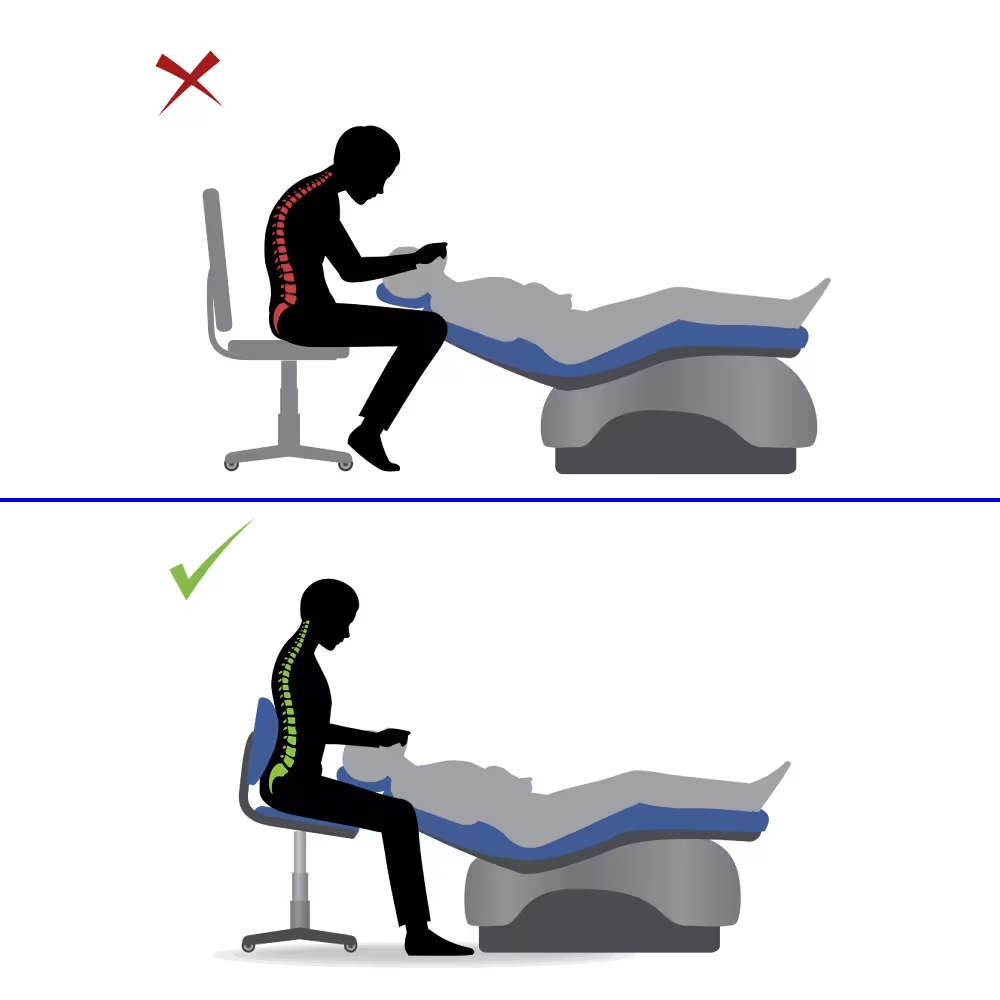
The purpose of this course is to aid the dental team in the design of the business office and selection of equipment selection that will promote more ergonomic practice.

2 Hour(s)
Dentists, Dental Hygienists, Dental Assistants, Dental Students, Dental Hygiene Students, Dental Assistant Students
Mar 13, 2008
Jan 06, 2011
Jan 05, 2014

Dental Care for Infants
[Course Number: 387 ]

Ivonne Ganem, DMD, MPH

The Centers for Disease Control and Prevention report that caries is perhaps the most prevalent infectious disease in U.S children.  By the time they reach kindergarten, more than 40% of children have caries.  To prevent oral disease, preventive interventions must begin at infancy.  This course will present to providers the importance of educating their adult patients on when they should begin bringing their children to the dental office for an oral exam and to begin a thorough prevention program that will establish measures to prevent diseases such as Early Childhood Caries (ECC).

1 Hour(s)
Dentists, Dental Hygienists, Dental Assistants, Dental Students, Dental Hygiene Students, Dental Assistant Students
Dec 12, 2011
N/A
Dec 11, 2014

Dental Implants and Esthetics
[Course Number: 203 ]

Chad J. Anderson, MS, DMD; Charles J. Goodacre, DDS, MSD

Dental implants offer patients a means to replace one tooth or multiple teeth in a way that meets functional and esthetic needs.  This course reviews various categories of esthetic complications, including: environmental morphology; surgical and soft tissue healing protocol; implant location; crown/prosthesis form and type of abutment; facial esthetics; and prosthesis discoloration.

1 Hour(s)
Dentists, Dental Hygienists, Dental Assistants, Dental Students, Dental Hygiene Students, Dental Assistant Students
Dec 12, 2005
Jan 03, 2012
Jan 02, 2015

Dental Implants: A Comprehensive Review

Sanda Moldovan, DDS, MS, CNS

According to the National Institutes of Health, there are over 100 million people missing teeth, and the need for implant dentistry is stronger than ever.  Patients often ask dental team members questions regarding dental treatment options. Knowledge of the current procedures for implants is a must for anyone in the dental field.  By becoming knowledgeable about different implant options, dental professionals will be able to help patients make educated decisions regarding their dental treatment.

3 Hour(s)
Dentists, Dental Hygienists, Dental Assistants, Dental Students, Dental Hygiene Students, Dental Assistant Students
Feb 11, 2013
N/A
Feb 10, 2016

Dental Implications of the ADHD Patient

Elizabeth McClure, RDH, MEd; Patricia Frese, RDH, MEd

The goal of this course is to increase dental healthcare providers’ understanding of treating the patient with ADHD.

2 Hour(s)
Dentists, Dental Hygienists, Dental Assistants, Dental Students, Dental Hygiene Students, Dental Assistant Students
May 06, 2010
N/A
May 05, 2013

Dental Terminology and Professional Knowledge

Mary Ann Haisch, RDH, MPA; Nancy Hemingway, RDH, MS

The purpose of this course is for the learner to gain understanding and enhanced vocabulary of dental terminology and overall professional knowledge by training through example, context, engagement and multiple representations of content.

1 Hour(s)
Dentists, Dental Hygienists, Dental Assistants, Dental Students, Dental Hygiene Students, Dental Assistant Students
Jan 16, 2008
Aug 24, 2011
Aug 23, 2014

Dentinal Hypersensitivity: A Review

Patricia A. Walters, RDH, MSDH, MSOB

Dentinal hypersensitivity is a common dental problem yet it is often under-reported by patients or misdiagnosed.  This course will address the etiology, prevalence and diagnosis of dentinal hypersensitivity as well as review clinical evidence behind popular desensitizing dentifrices.

1 Hour(s)
Dentists, Dental Hygienists, Dental Assistants, Dental Students, Dental Hygiene Students, Dental Assistant Students
Oct 18, 2005
Jan 13, 2012
Jan 12, 2015

Designing A Comprehensive Health History

Mary Govoni, CDA, RDA, RDH, MBA; Wilhemina Leeuw, MS, CDA

This course emphasizes risk management and optimum patient care.  This course teaches the basic components of a patient medical history:  including legal, ethical and treatment-related items that must be included on a health history form; requirements for confidentiality and updates of information.  Specific suggestions are included for screening patients with cardiovascular disease, diabetes and other potentially life-threatening conditions.

2 Hour(s)
Dentists, Dental Hygienists, Dental Assistants, Dental Students, Dental Hygiene Students, Dental Assistant Students
Nov 16, 2005
Aug 15, 2011
Aug 14, 2014

Diabetes: A Multifaceted Syndrome Treatment Considerations in Dentistry

Cynthia A. Stegeman, RDH, EdD, RD, LD, CDE; Lynne H. Slim, RDH, MS

Diabetes is a major global public health problem and the sixth leading cause of death in the U.S. Proper management of diabetes will positively impact a patient’s oral health, especially as it relates to risk for periodontal disease.  Determining whether or not medical issues warrant immediate care before elective dental procedures is an important part of patient protocol and needs to be instituted by dental practitioners.  Better overall communication and ongoing interaction between medical and oral healthcare providers is needed to improve the overall health of individuals with diabetes.

2 Hour(s)
Dentists, Dental Hygienists, Dental Assistants, Dental Students, Dental Hygiene Students, Dental Assistant Students
Dec 11, 2006
Jul 12, 2012
Jul 11, 2015

Digital Radiography in Dentistry: Moving from Film-based to Digital Imaging

Gail F. Williamson, RDH, MS

This continuing education course will provide a foundation for understanding digital imaging technology, necessary equipment, digital imaging receptors, technique, acquisition, enhancement, transfer and storage.  Comparisons with film-based imaging as well as the diagnostic utility of digital images will be discussed.

4 Hour(s)
Dentists, Dental Hygienists, Dental Assistants, Dental Students, Dental Hygiene Students, Dental Assistant Students
Feb 03, 2010
N/A
Jun 30, 2013

Diseases of the Teeth and Jaws
[Course Number: 306 ]

Sandra A. Kolsom, CDA, RDA; Allan G. Farman, BDS, EdS., MBA, PhD

This continuing education course will help the dental auxiliary to understand the importance of high-quality radiographs and will, in the long run, make him or her that much more valuable to the dental team.

4 Hour(s)
Dentists, Dental Hygienists, Dental Assistants, Dental Students, Dental Hygiene Students, Dental Assistant Students
Dec 12, 2007
Jun 10, 2010
Jun 09, 2013

Do

Gerard Kugel, DMD, MS, PhD; Shradha Sharma, BDS, DMD

This course will give guidelines on how to make esthetic changes for teeth that are discolored, worn, chipped, or misaligned.  Porcelain veneers are considered to be strong and to have great esthetics and a long term prognosis.

2 Hour(s)
Dentists, Dental Hygienists, Dental Assistants, Dental Students, Dental Hygiene Students, Dental Assistant Students
Dec 05, 2008
N/A
Apr 30, 2013

Eastern Medicine Meets Dentistry: The Use of Herbal Supplements in Dentistry Today

Natalie Kaweckyj, LDARF, CDA, CDPMA, COA, COMSA, MADAA, BA

The dental team must be aware of oral products containing herbs and supplements and recognize potentially dangerous combinations between various herbs or supplements and drugs commonly used in dentistry today.

3 Hour(s)
Dental Hygienists, Dental Assistants, Dental Hygiene Students, Dental Assistant Students
Jul 01, 2008
Dec 09, 2010
Dec 08, 2013

Eating Disorders...Understanding The Dental Ramifications

Natalie Kaweckyj, LDARF, CDA, CDPMA, COA, COMSA, MADAA, BA

This course will help the dental professional identify early warning signs of eating disorders that a patient may be exhibiting.  In the United States, five million to 10 million females and approximately one million males struggle with some type of eating disorder.  Dental personnel are usually the first to notice changes in the oral cavity of individuals with certain types of eating disorders.  The earlier treatment is sought in the disease process, the more hopeful the prognosis.

3 Hour(s)
Dentists, Dental Hygienists, Dental Assistants, Dental Students, Dental Hygiene Students, Dental Assistant Students
Dec 05, 2007
May 06, 2010
Jul 31, 2013

Effective Adult Learning for Oral Health Education

Linda D. Boyd, RDH, RD, EdD

The purpose of this course is to provide dental practitioners with strategies to effectively educate their adult patients in order to prevent and/or manage dental disease.  An overview of adult education principles as well as practical strategies for educating adult learners in the dental setting will be provided.

1 Hour(s)
Dentists, Dental Hygienists, Dental Assistants, Dental Students, Dental Hygiene Students, Dental Assistant Students
Dec 12, 2005
Jun 10, 2010
Aug 31, 2013

Efficient & Effective Use of the Intraoral Camera

Jill C. Obrochta, RDH, BS

This course will provide a broad range of techniques and parameters with which to best utilize an intraoral camera within the dental practice.  Intraoral cameras provide easy-to-use, high definition magnification and are one of the most powerful diagnosis and teaching tools within dentistry.  Knowing the advantages and limitations of the intraoral camera will empower you to be an outstanding, cutting-edge clinician in this age of innovation.

2 Hour(s)
Dentists, Dental Hygienists, Dental Assistants, Dental Students, Dental Hygiene Students, Dental Assistant Students
Mar 04, 2011
N/A
Mar 03, 2014

Environmental Infection Control in Oral Healthcare Settings

Géza T. Terézhalmy, DDS, MA; Michaell A. Huber, DDS

This continuing education course presents essential elements of an infection control/exposure control plan for oral healthcare settings with emphasis on environmental infection control.

2 Hour(s)
Dentists, Dental Hygienists, Dental Assistants, Dental Students, Dental Hygiene Students, Dental Assistant Students
Sep 23, 2010
N/A
Sep 22, 2013

Ergonomics in the Dental Business Office

Betty Ladley Finkbeiner, CDA-Emeritus, BS, MS

This course is designed to aid the dental business office staff in practicing basic ergonomic concepts through the use of motion economy in order to maximize productivity and reduce strain.

2 Hour(s)
Dentists, Dental Hygienists, Dental Assistants, Dental Students, Dental Hygiene Students, Dental Assistant Students
Apr 11, 2008
Jan 06, 2011
Jan 05, 2014

Fabrication of Provisional Crowns and Bridges

Cynthia M. Cleveland, CDA; Angela D. Allen; Niki Henson, RDA, AS

The days of being “just” a dental assistant are gone.  As we continually strive to learn new things and improve our skills, the role of a dental assistant changes.  In many states, laws concerning dental assistants are changing and the dental assistant is now able to perform more, such as fabricating provisional crowns and bridges.  With this growth comes new responsibilities.

3 Hour(s)
Dental Assistants, Dental Assistant Students
Feb 21, 2012
N/A
Feb 20, 2015

Forensic Dentistry
Forensic Dentistry
[Course Number: 401 ]

Marsha A. Voelker, CDA, RDH, MS

This continuing education course will provide an overview of forensic dentistry history, various identification methods utilized and how dental professionals can become involved.

2 Hour(s)
Dentists, Dental Hygienists, Dental Assistants, Dental Students, Dental Hygiene Students, Dental Assistant Students
Sep 07, 2012
N/A
Sep 06, 2015

Four-Handed Dentistry, Part 1: An Overview Concept

Betty Ladley Finkbeiner, CDA-Emeritus, BS, MS

This course is the first of a three-part series and describes and discusses four-handed dentistry and its integration in the modern dental office.

2 Hour(s)
Dentists, Dental Hygienists, Dental Assistants, Dental Students, Dental Hygiene Students, Dental Assistant Students
Nov 01, 2004
Apr 22, 2010
Jun 30, 2013

Four-Handed Dentistry, Part 2: Equipment Selection

Betty Ladley Finkbeiner, CDA-Emeritus, BS, MS

This course is the second of a three-part series and reviews the selection of dental equipment for use in an ergonomic, four-handed dental practice.

2 Hour(s)
Dentists, Dental Hygienists, Dental Assistants, Dental Students, Dental Hygiene Students, Dental Assistant Students
Nov 01, 2004
Apr 22, 2010
Jun 30, 2013

Four-Handed Dentistry, Part 3: Instrument Transfer

Betty Ladley Finkbeiner, CDA-Emeritus, BS, MS

This course is the third of a three-part series and reviews the transfer of dental instruments for use in an ergonomic, four-handed dental practice.

2 Hour(s)
Dentists, Dental Hygienists, Dental Assistants, Dental Students, Dental Hygiene Students, Dental Assistant Students
Nov 01, 2004
Apr 22, 2010
Jun 30, 2013

Full Coverage Aesthetic Restoration of Anterior Primary Teeth

Steven Schwartz, DDS

Aesthetic treatment of severely decayed primary teeth is one of the greatest challenges to pediatric dentists. Aesthetic full coverage restorations are available for anterior and posterior primary teeth.  This continuing education course will concentrate on aesthetic full coverage restorations for anterior primary teeth.  A subsequent course will deal with full coverage of posterior primary teeth.

3 Hour(s)
Dentists, Dental Hygienists, Dental Assistants, Dental Students, Dental Hygiene Students, Dental Assistant Students
Jan 09, 2012
N/A
Jan 08, 2015

Fundamentals of Dentifrice: Oral Health Benefits in a Tube

Robert V. Faller, BS; Paula M. Koenigs, PhD

The course will focus on the most common dentifrice ingredients and the oral health benefits they provide.  Upon completion of the course, participants will understand not only the fundamentals of dentifrice ingredients, but also key regulatory aspects of the dentifrice market and the role of professional societies in credentialing consumer dentifrices.

3 Hour(s)
Dentists, Dental Hygienists, Dental Assistants, Dental Students, Dental Hygiene Students, Dental Assistant Students
Jan 16, 2013
N/A
Jan 15, 2016

Geriatric Dentistry: Reviewing for the Present, Preparing for the Future

Natalie Kaweckyj, LDARF, CDA, CDPMA, COA, COMSA, MADAA, BA

In addition to the medical advances that have enabled people to live longer and healthier lives, dental advances have resulted in the preservation of healthy dentition in later years.  With the increases in retention of natural dentition, more elderly persons are being seen in dental practices more regularly in their advanced years to maintain their oral health.  The older patient frequently presents a variety of treatment dilemmas during dental care, and certain factors should be considered when rendering care.

4 Hour(s)
Dentists, Dental Hygienists, Dental Assistants, Dental Students, Dental Hygiene Students, Dental Assistant Students
Oct 31, 2002
Aug 16, 2011
Aug 15, 2014

Gingival Health - Periodontal Assessment

ADAA 2010 Council on Education

In today’s busy dental practice, the dental team’s role in data collection for diagnosis and treatment of periodontal disease is extremely important.  The dental profession has a legal responsibility to recognize and record findings and also to inform and educate the patient regarding this disease and the prognosis it presents.  Periodontal disease, when recognized and treated early, can have predicable outcomes.

2 Hour(s)
Dental Hygienists, Dental Assistants, Dental Hygiene Students, Dental Assistant Students
Aug 06, 2008
Aug 17, 2011
Aug 16, 2014

Go Green: It’s the Right Thing to Do

ADAA 2009 Council on Education; ADA Council on Dental Practice

1 Hour(s)
Dentists, Dental Hygienists, Dental Assistants, Office Managers, Dental Students, Dental Hygiene Students, Dental Assistant Students
Oct 03, 2011
N/A
Oct 02, 2014

Guidelines for Infection Control in Dental Health Care Settings

Richard D. Bebermeyer, DDS, MBA; Sharon K. Dickinson, CDA, CDPMA, RDA; Karen Ortolano

In 2003, the U.S. Centers for Disease Control and Prevention (CDC) published updated recommendations for dental infection control. Developed in collaboration with authorities on infection control from CDC and other public agencies, academia, and private and professional organizations, this course consolidates and expands previous CDC recommendations and incorporates the infection-control provisions of the Occupational Safety and Health Administration (OSHA) Bloodborne Pathogens Standard. This course provides an overview of current CDC recommendations for minimizing the potential for disease transmission during the delivery of dental care.

4 Hour(s)
Dentists, Dental Hygienists, Dental Assistants, Dental Students, Dental Hygiene Students, Dental Assistant Students
Sep 06, 2006
Dec 22, 2009
Jun 30, 2013

Hand Hygiene: Infection Control/Exposure Control Issues for Oral Healthcare Workers

Géza T. Terézhalmy, DDS, MA; Michaell A. Huber, DDS

It presents the essential elements of an infection control/exposure control plan for the oral healthcare setting with emphasis on hand hygiene

2 Hour(s)
Dentists, Dental Hygienists, Dental Assistants, Dental Students, Dental Hygiene Students, Dental Assistant Students
Mar 04, 2010
N/A
Jun 30, 2013

Hazard Communications & Hazardous Waste Regulations for Dental Offices

Eve Cuny, MS

3 Hour(s)
Dentists, Dental Hygienists, Dental Assistants, Dental Students, Dental Hygiene Students, Dental Assistant Students
Mar 11, 2004
Jun 13, 2013
Jun 12, 2016

HBV and HCV: Infection Control/Exposure Control Issues for Oral Healthcare Workers

Géza T. Terézhalmy, DDS, MA; Michaell A. Huber, DDS

This course presents the essential elements of an infection control/exposure control plan for the oral healthcare setting with emphasis on hepatitis B and C infections

2 Hour(s)
Dentists, Dental Hygienists, Dental Assistants, Dental Students, Dental Hygiene Students, Dental Assistant Students
Jun 14, 2008
Sep 07, 2012
Sep 06, 2015

Health Literacy for the Dental Team

Patricia A. Lenton, RDH, MA; Jessica Ridpath, BS

This information will increase awareness and understanding by dental health personnel in the matters of health and oral health literacy.  This course will define oral health literacy, describe steps being taken by professional oral healthcare organizations to address oral health literacy issues, and provide dental team members with practical strategies and resources to incorporate into their dental practices in improve patient understanding.

2 Hour(s)
Dentists, Dental Hygienists, Dental Assistants, Dental Students, Dental Hygiene Students, Dental Assistant Students
Jan 06, 2009
Aug 08, 2012
Aug 07, 2015

Helping the Special Needs Patient Maintain Oral Health

Janet Jaccarino, CDA, RDH, MA

Poor oral hygiene and dental disease may be more prevalent in patients with disabilities due to the effects of their condition and medication on the oral environment.  This course provides dental professionals with information to help the patient with special needs and the caregiver attain the appropriate knowledge to treat and maintain good oral health.

2 Hour(s)
Dentists, Dental Hygienists, Dental Assistants, Dental Students, Dental Hygiene Students, Dental Assistant Students
Feb 21, 2012
N/A
Feb 20, 2015

Hepatitis: What Every Dental Professional Needs to Know

Eve Cuny, MS; John A. Molinari, PhD

The risk of cross-infection between dental practitioners, auxiliaries and patients is considered significant, particularly because most human microbial pathogens have been isolated from the oral cavity.  This course will increase awareness and understanding by dental health personnel in the matter of viral hepatitis in terms of clinical and asymptomatic disease, transmission and diagnostic tests, with major emphasis on hepatitis B and hepatitis C.

3 Hour(s)
Dentists, Dental Hygienists, Dental Assistants, Dental Students, Dental Hygiene Students, Dental Assistant Students
Oct 08, 2007
Aug 17, 2011
Aug 16, 2014

HSV and VZV: Infection Control/Exposure Control Issues for Oral Healthcare Workers

Géza T. Terézhalmy, DDS, MA; Michaell A. Huber, DDS

This continuing education course presents the essential elements of an infection control/exposure control plan for the oral healthcare setting with emphasis on HSV and VZV infections.

2 Hour(s)
Dentists, Dental Hygienists, Dental Assistants, Dental Students, Dental Hygiene Students, Dental Assistant Students
Nov 05, 2009
Jan 25, 2013
Jan 24, 2016

Impression Making for Implant Retained Restorations

Joseph J. Massad, DDS

Prosthetic restoration typically requires multiple follow-up visits for adjustments that are generally negatively perceived by patients and time consuming for office staff.  Preparatory work includes assessment exam, diagnosis and treatment plan.  To achieve optimum results, an evidence-based approach can help achieve predictable outcomes.

1 Hour(s)
Dentists, Dental Hygienists, Dental Assistants, Dental Students, Dental Hygiene Students, Dental Assistant Students
Jun 13, 2013
N/A
Jun 12, 2016

Intimate Partner Violence and Elder Maltreatment: Implications for the Dental Professional

Marniasha Ginsberg, BA; Amos S. Deinard, MD, MPH; Sean Burke, JD

This continuing education course will provide information on Intimate Partner Violence (IPV) and Elder Maltreatment (EM), describe their victims and perpetrators, and outline the dental professionals’ responsibilities to recognize, report, treat, and prevent such cases.

Dental Students:  This is part one of a two part continuing education training program.  The second part is Dr. Stephen Jessee's "Child Abuse and Neglect" training course.  For students taking this training program, both parts must be taken.  Your test results will be submitted to your school's designated course manager so that you can be credited for completing this course.

1 Hour(s)
Dentists, Dental Hygienists, Dental Assistants, Dental Students, Dental Hygiene Students, Dental Assistant Students
Dec 08, 2009
Dec 03, 2012
Dec 02, 2015

Intraoral Radiographic Techniques

ADAA 2009 Council on Education; Sandra A. Kolsom, CDA, RDA; Allan G. Farman, BDS, EdS., MBA, PhD

Radiography involves the use of x-radiation and thus is potentially dangerous if mishandled.  For your own sake, and that of the staff, patient, and public, it is essential that you gain adequate knowledge of radiographic techniques and radiation health and safety, prior to performing clinical procedures.  This course is intended dentists, hygienists and dental assistants to provide current, vital information on film and tube head placement, to serve as a guide to acquire new skills and/or refine current skills.

4 Hour(s)
Dentists, Dental Hygienists, Dental Assistants, Dental Students, Dental Hygiene Students, Dental Assistant Students
Jul 26, 2002
Mar 04, 2011
Mar 03, 2014

Intraoral Radiography: Principles, Techniques and Error Correction

Gail F. Williamson, RDH, MS

Proper patient care includes obtaining diagnostic intraoral and extraoral radiographs which are essential to patient assessment, periodontal therapy, treatment and re-evaluation.  Radiographs are especially helpful during instrumentation as a guide for detection of calculus deposits or faulty restorations, as well as the diagnosis of dental caries, alveolar bone loss, pulpal changes, and anatomical imperfections in tooth and root surfaces.  It is imperative that dental professionals are competent in taking radiographs to ensure diagnostically acceptable images, while keeping the amount of radiation exposure to patients at a minimum.

2 Hour(s)
Dental Hygienists, Dental Assistants, Dental Students, Dental Hygiene Students, Dental Assistant Students
Sep 15, 2008
Sep 11, 2011
Sep 10, 2014

Introduction to Specialized Dental Software

Kathy Zwieg, CDA, RDA; Connie Effinger, BS; Wilhemina Leeuw, MS, CDA; Suzanne Kump, CDA, LDA, MBA

This course introduces a variety of functions and concepts that facilitate the transition from a manual dental-office accounting system to a computerized system - a change that can enhance and strengthen the practice for years to come.  Although this course does not endorse any specific computer system, it presents principles that can be applied to most any computerized system.

3 Hour(s)
Dentists, Dental Hygienists, Dental Assistants, Dental Students, Dental Hygiene Students, Dental Assistant Students
Mar 04, 2011
N/A
Mar 03, 2014

Local Anesthesia in Pediatric Dentistry

Steven Schwartz, DDS

This course will teach the clinician how to administer an effective, safe and atraumatic local anesthesia injection to a child (or adult). Rather than avoiding local administration for fear of traumatizing the pediatric patient, the clinician should strive to learn and use the latest modalities of local pain control to create a pleasant and comfortable dental experience for the child.

2 Hour(s)
Dentists, Dental Hygienists, Dental Assistants, Dental Students, Dental Hygiene Students, Dental Assistant Students
Sep 01, 2008
Jan 06, 2012
Jan 05, 2015

Local Anesthesia in Today

Margaret I. Scarlett, DMD

The success of contemporary dental practice largely hinges on the use of local anesthesia for patient comfort and safety.  Dental hygienists and dental assistants should have a basic understanding of local anesthesia, proper methods for handling syringes, possible complications, and how to manage emergencies.

2 Hour(s)
Dental Hygienists, Dental Assistants, Dental Students, Dental Hygiene Students, Dental Assistant Students
Jul 21, 2010
N/A
Jul 20, 2013

Maintaining Proper Dental Records

Wilhemina Leeuw, MS, CDA

This continuing education course provides dental team members with the necessary background and instructions for proper charting.  Although this course presents guidelines to minimize legal risks, it is for guidance purposes only and is not intended to be legal in nature.  Legal counsel should be sought any time a practice decides to change and/or implement new forms, recordkeeping procedures, or privacy safeguards.  A lawyer will be able to inform and advise on the specific laws, rules, and regulations that pertain to specific states and in specific situations.

2 Hour(s)
Dentists, Dental Hygienists, Dental Assistants, Dental Students, Dental Hygiene Students, Dental Assistant Students
Mar 22, 2006
Mar 25, 2010
Jun 01, 2013

Management of Medical Emergencies in the Dental Office

Jeff Clark, MS, REMT-P; Sue Protzman; Wilhemina Leeuw, MS, CDA

Medical emergencies can occur at any time in the dental office. The best way to handle an emergency is to be prepared in advance.  This course reviews how to handle medical emergencies and should make the dental professional more confident in his or her ability to handle all aspects of the job.

5 Hour(s)
Dentists, Dental Hygienists, Dental Assistants, Dental Students, Dental Hygiene Students, Dental Assistant Students
Aug 12, 2003
Jan 24, 2012
Jan 23, 2015

Management of Pediatric Medical Emergencies in the Dental Office

Steven Schwartz, DDS

The dentist’s successful management of medical emergencies requires preparation, prevention and knowledge of definitive management not just by the dentist but by all dental staff.  Although the primary focus of this course is the pediatric dental patient, adult medical emergencies will also be addressed.

2 Hour(s)
Dentists, Dental Hygienists, Dental Assistants, Dental Students, Dental Hygiene Students, Dental Assistant Students
May 11, 2012
N/A
May 10, 2015

Management of Traumatic Injuries to Children

Steven Schwartz, DDS

This course presents currently available knowledge of the latest techniques for treatment of dental injuries in children and adults based on the guidelines from the American Academy of Pediatric Dentistry and the International Association of Dental Traumatology.

2 Hour(s)
Dentists, Dental Hygienists, Dental Assistants, Dental Students, Dental Hygiene Students, Dental Assistant Students
Aug 31, 2007
Apr 25, 2013
Apr 24, 2016

Mandated and Highly Recommended Vaccines for Oral Healthcare Workers

Géza T. Terézhalmy, DDS, MA; Michaell A. Huber, DDS

This course presents currently available knowledge essential for the development and implementation of an effective vaccination strategy in an oral healthcare setting.

2 Hour(s)
Dentists, Dental Hygienists, Dental Assistants, Dental Students, Dental Hygiene Students, Dental Assistant Students
Apr 11, 2008
Jan 03, 2012
Jan 02, 2015

Maskcessorize: The Art of Choosing the Proper Face Mask for the Task

Gaylene Baker, RDH, MBA

This course provides a review of the clinical considerations regarding the appropriate selection and use of facial protection devices in various dental practice settings.  The types and designs of facial protection devices available today will be reviewed, accompanied by a discussion of the relevant regulations and professional recommendations for use.

1 Hour(s)
Dentists, Dental Hygienists, Dental Assistants, Dental Students, Dental Hygiene Students, Dental Assistant Students
Jun 11, 2012
N/A
Jun 10, 2015

Maxillofacial Surgery Basics for the Dental Team: Part I

Natalie Kaweckyj, LDARF, CDA, CDPMA, COA, COMSA, MADAA, BA

The specialty of oral and maxillofacial surgery (OMS), formerly known as oral surgery, is responsible for the diagnosis and surgical treatment of diseases, injuries, and defects of the oral and maxillofacial region.  This continuing education course will review some of the preparation procedures for oral surgery, whether performed in the general dentistry practice or specialty clinic.

4 Hour(s)
Dentists, Dental Hygienists, Dental Assistants, Dental Students, Dental Hygiene Students, Dental Assistant Students
Aug 03, 2012
N/A
Aug 02, 2015

Maxillofacial Surgery Basics for the Dental Team: Part II

Natalie Kaweckyj, LDARF, CDA, CDPMA, COA, COMSA, MADAA, BA

Oral and maxillofacial surgery (OMS) is one of the oldest dental specialties.  It is the branch of dentistry that encompasses the diagnosis and surgical treatment of diseases, injuries, and defects of the oral and maxillofacial region.  This continuing education course outlines the basic principles involved in the extraction of teeth, armamentarium needed, indications for extractions, classifications and management of third molar extractions, preoperative and postoperative management of the surgical patient, and possible complications following treatment.

4 Hour(s)
Dentists, Dental Hygienists, Dental Assistants, Dental Students, Dental Hygiene Students, Dental Assistant Students
Aug 03, 2012
N/A
Aug 02, 2015

Measles, Mumps and Rubella: Infection Control/Exposure Control Issues for Oral Healthcare Workers

Géza T. Terézhalmy, DDS, MA; Michaell A. Huber, DDS

This continuing education course presents the essential elements of an infection control/exposure control plan for the oral healthcare setting with emphasis on measles, mumps, and rubella (German measles) infections.

2 Hour(s)
Dentists, Dental Hygienists, Dental Assistants, Dental Students, Dental Hygiene Students, Dental Assistant Students
May 05, 2009
Dec 05, 2012
Dec 04, 2015

Mercury in Dentistry: The Facts

Jennifer K. Blake, CDA, EFDA, MADAA

The proper handling of mercury in the dental office is an important occupational safety issue for the dental team.  This course addresses not only patient safety, but also the occupational safety issues for the dental team.  The intent of this course is to provide the dental professional with currently available information about mercury hygiene.

2 Hour(s)
Dentists, Dental Hygienists, Dental Assistants, Dental Students, Dental Hygiene Students, Dental Assistant Students
Jul 15, 2006
Oct 03, 2011
Oct 02, 2014

Methamphetamine: Implications for the Dental Team

Elizabeth McClure, RDH, MEd; Patricia Frese, RDH, MEd; Janelle Schierling, RDH, EdD; Barbara Kunselman, RDH

This course explores the history, physical and psychological effects, implications for dental team members and other topics related to the methamphetamine phenomenon.  The goal of this course is to increase dental healthcare providers’ understanding of the effects of methamphetamine use/abuse.

3 Hour(s)
Dentists, Dental Hygienists, Dental Assistants, Dental Students, Dental Hygiene Students, Dental Assistant Students
Feb 19, 2009
Aug 10, 2012
Aug 09, 2015

Mission Trips – First Do No Harm

Curt Hamann, MD; Charles John Palenik, MS, PhD, MBA

The dental profession is known to be generous in donating time and talent to help those in need of oral healthcare throughout the United States and the rest of the world.  It is important for the volunteer team to thoughtfully consider their own health as well as the safety of the people whom they will treat.

The Organization for Safety, Asepsis and Prevention (OSAP) was founded in 1984 and formally incorporated as a non-profit organization in 1986.  OSAP is a unique group of dental educators, consultants, researchers, clinicians, industry representatives, and other interested persons with a collective mission to be the world's leading advocate for the safe and infection-free delivery of oral healthcare.  OSAP supports this commitment to oral healthcare workers and the public through quality education and information dissemination.  OSAP has developed a “Guide for Safety and Infection Control for Oral Healthcare Missions”.  Based in large part on this Guide, this course provides guidance to help ensure the health and safety of mission participants, their dental patients and the community at large.  Please note, the guide is not a comprehensive planning document for all missions and other aspects of the mission will need to be considered.  All Appendices referenced in this course are used with permission from the Organization for Safety, Asepsis and Prevention (OSAP), 2012.

2 Hour(s)
Dentists, Dental Hygienists, Dental Assistants, Dental Students, Dental Hygiene Students, Dental Assistant Students
Nov 20, 2012
N/A
Nov 19, 2015

Motivational Interviewing:  A Patient-Centered Approach to Elicit Positive Behavior Change

Karen B. Williams, RDH, MS, PhD; Kimberly Bray, RDH, MS

This continuing education course reviews the fundamental principles of Motivational Interviewing (MI), a patient-centered, goal-directed approach to elicit positive oral health behavior change.  The four key principles of MI – expressing empathy, developing discrepancies, rolling with resistance and supporting self-efficacy – are reviewed and then illustrated in two clinical case scenario videos.

2 Hour(s)
Dentists, Dental Hygienists, Dental Assistants, Dental Students, Dental Hygiene Students, Dental Assistant Students
Oct 05, 2011
N/A
Oct 04, 2014

Mycobacterium tuberculosis: Infection Control/Exposure Control Issues for Oral Healthcare Workers

Géza T. Terézhalmy, DDS, MA; Nuala B. Porteous, BDS, MPH

In the absence of an effective vaccine, exposure prevention remains the primary strategy for reducing occupational exposure to Mycobacterium tuberculosis (MTB).  Knowledge about potential risks and concise written procedures intended to minimize exposure and promote a seamless response following accidental exposure can greatly reduce the emotional impact of such events.

2 Hour(s)
Dentists, Dental Hygienists, Dental Assistants, Dental Students, Dental Hygiene Students, Dental Assistant Students
May 13, 2009
Jul 01, 2010
Jun 30, 2013

Nitrous Oxide and Oxygen Sedation: An Update

Ann Brunick, RDH, MS; Morris Clark, DDS, FACD

Nitrous oxide and oxygen (N2O/O2) in combination have been used safely and successfully for over 160 years to assist in the management of pain and anxiety.  This course will teach about the desirable characteristics of nitrous oxide, indications and contraindications for N2O/O2 use as well as facts and myths surrounding chronic exposure to nitrous oxide, the biologic effects associated with high levels of the gas, and ways to assess and minimize trace gas contamination in an outpatient setting.

2 Hour(s)
Dentists, Dental Hygienists, Dental Assistants, Dental Students, Dental Hygiene Students, Dental Assistant Students
Mar 12, 2012
N/A
Mar 11, 2015

Nutrition & Oral Health: Eating Well for a Healthy Mouth

Diane Vernetti-Callahan, RDH, BS

This continuing education course is intended to provide awareness and a deeper understanding of the connection between optimal nutrition and its impact on oral health.

2 Hour(s)
Dentists, Dental Hygienists, Dental Assistants, Dental Students, Dental Hygiene Students, Dental Assistant Students
May 01, 2008
Apr 02, 2013
Apr 01, 2016

Odontología para Niños con Necesidades Especiales

Ivonne Ganem, DMD, MPH

Más de nueve millones de niños y adolescentes de EE.UU. menores de 17 años tienen una necesidad especial de atención médica.  Esto es un 13% de la población.  Al discutir la distribución de la población, se ofrecerá una visión general de la importancia de la fuerza laboral de salud oral bajo el sistema de salud actual para el paciente pediátrico con necesidades terapéuticas especiales.  Este curso de EC se describen las técnicas necesarias para el éxito del tratamiento dental del paciente pediátrico con necesidades especiales.

1 Hour(s)
Dentists, Dental Hygienists, Dental Assistants, Dental Students, Dental Hygiene Students, Dental Assistant Students