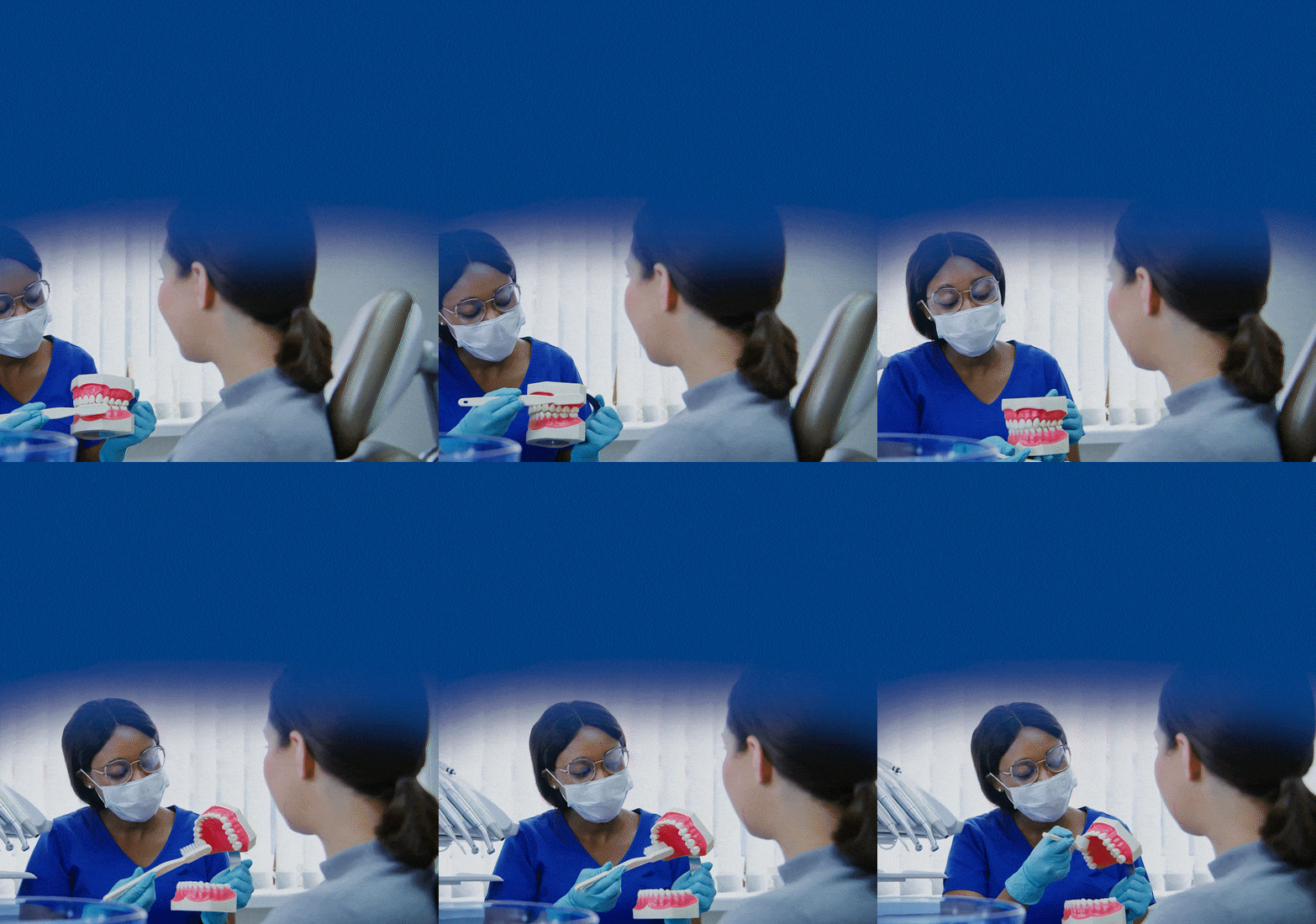
Use of an efficient instrument transfer is one of the basic skills every dental team must learn in order to be productive and stress free. Instrument transfer is the process of transferring instruments and materials to and from the operator, within the transfer zone, at a precise moment of need (Figure 1). An important pre-requisite to successful instrument transfer is the ability of each member of the dental team to understand the procedure, anticipate each other’s needs, and when necessary develop some form of communication‑either verbal or non‑verbal to indicate a need for instrument exchange. This concept may seem basic, yet many dentists and assistants struggle to refine a smooth productive technique.
During the past several years there has been a diminished emphasis on formal education in the basic principles of true four‑handed dentistry concept including the use of efficient instrument transfer techniques. This has resulted in dentists not learning proper ergonomic strategies in dental school or following graduation due to fewer continuing education courses being offered on the subject. These dentists tend to engage in more time consuming movements during dental procedures than is necessary. Proper instrument transfer techniques serve to conserve motion, increase the smooth flow of the procedure, and reduce eyestrain by eliminating the need to look away from the brightly illuminated operative field during the transfer. It is advisable to re‑evaluate the instrument transfer techniques used during a dental procedure in order to ensure safety during the transfer and ensure that the objectives of a proper technique as listed below are realized: