Providing Evidence-based Oral Health Care to Individuals Diagnosed with Degenerative Disorders, Part 1: Multiple Sclerosis Appointment Management Considerations
Elective dental treatments should be postponed during exacerbations or flare ups of MS symptoms.47
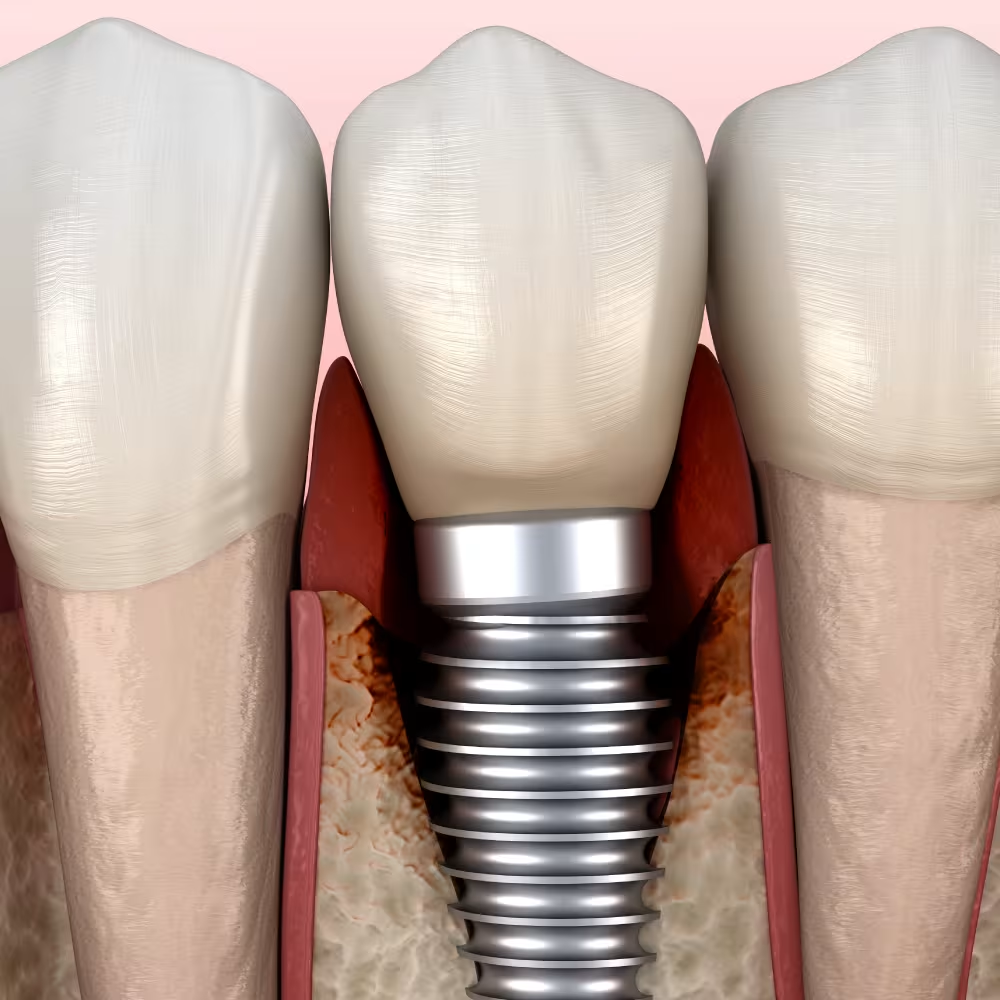
Individuals diagnosed with MS are at elevated risk for caries due to xerostomia, fatigue, dexterity limitations, and muscle dysfunction of the oral cavity.
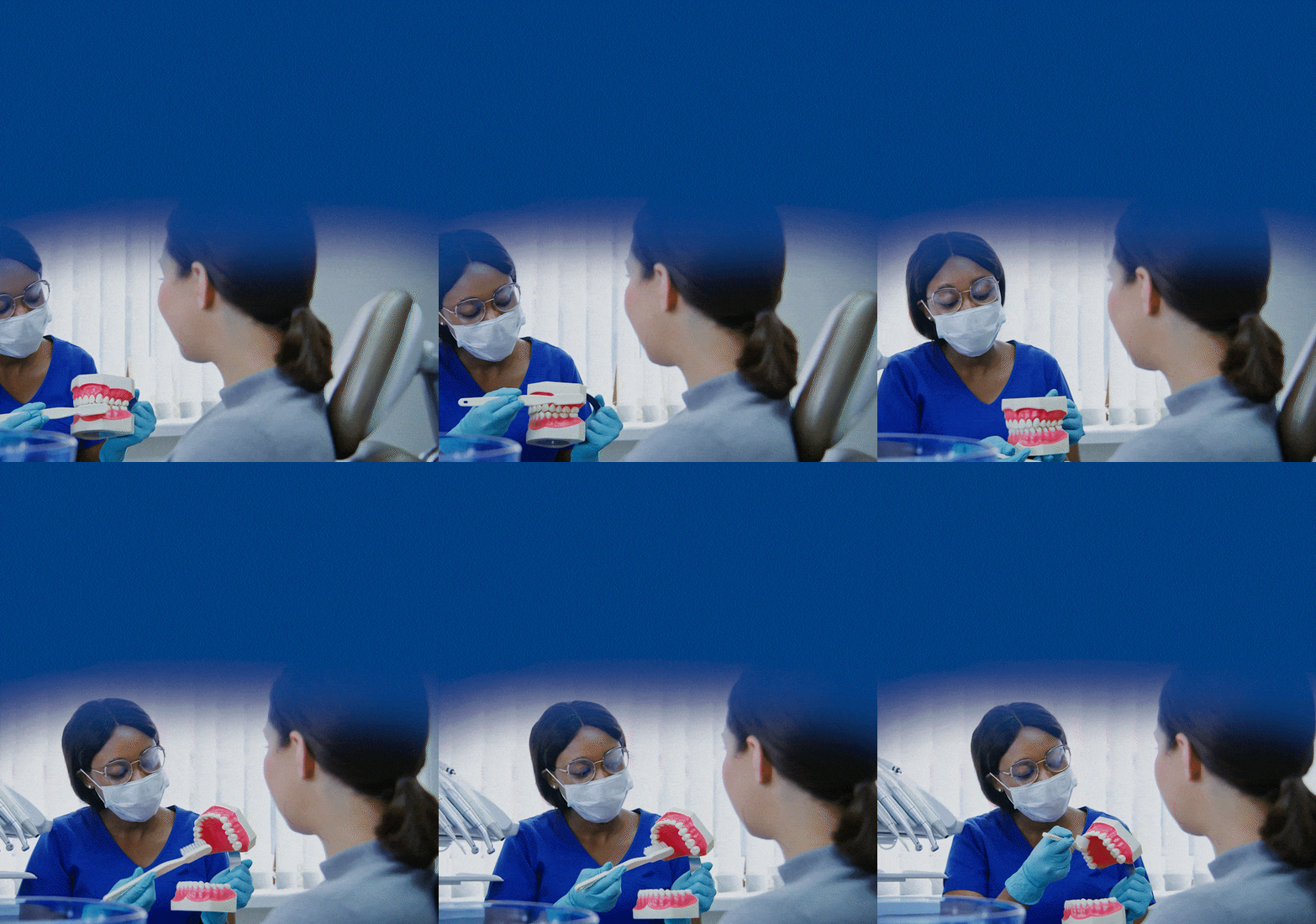
Oral self-care instructions should be based on the patient’s functional ability and values.
Cigarette smoking has been shown to increase risk of disease progression transforming from RRMS to PPMS and to exacerbate symptoms. Tobacco cessation is critical for this population.
Cool and stress free environments may aid in reduction of exacerbated symptoms.
Frequent and shortened morning appointments may be better for patients with MS.47
Wheelchair accessibility may be required in order to treat patients with more progressive disease symptoms. Consider providing oral health services to patients directly in their wheelchair if a patient cannot transfer from their wheelchair into the dental chair.
Patients may require frequent bathroom breaks due to incontinence. Using an operatory near a restroom can make frequent breaks easier on the patient.
Plan short appointments for patients who experience trigeminal neuralgia or facial discomfort. The shooting pain and discomfort brought on by dental procedures can become too arduous for patients.
Always note extra-oral findings of facial nerve pain in a patient’s dental record. Refer patient to a physician immediately if patients report facial pain that cannot be explained. Dental professionals are at an advantage to detect early MS symptoms.