

Adverse Drug Reactions - Part II
Course Number: 537
Course Contents
Hypersensitivity-related ADRs
Type I hypersensitivity reactions or anaphylaxis are acute, IgE-mediated systemic reactions that occur within minutes to hours after parenteral or enteral administration of a drug in a previously sensitized patient.1,3,16 The shorter the reaction time, the more severe the reaction is. Following enteral administration of an allergen the reaction may be delayed or less severe. Anaphylaxis may simultaneously involve multiple organ systems, manifesting in one or more of the following signs and symptoms:8,16
Skin: pruritus, erythema, urticaria, angioedema
Respiratory system: laryngeal edema and/or spasm, bronchospasm
Gastrointestinal system: abdominal cramps, vomiting, diarrhea
Central nervous system: anxiety, agitation, loss of consciousness
Cardiovascular system: tachycardia or bradycardia, hypotension, shock
Type II antibody-dependent hypersensitivity or cytotoxic reactions occur when a drug binds to target cells, usually RBCs, and is recognized by IgG or IgM antibodies.1,3,16 The time required for cytotoxic T cell-mediated target cell lysis or target cell lysis mediated by the complement system in response to a specific antigen is variable. Clinical manifestations include hemolytic anemia, neutropenia, and thrombocytopenia. Type II reactions are rare, but may be precipitated by several drugs such as penicillin.
Type III or immune complex–mediated hypersensitivity reactions (serum sickness) may occur within 7-10 days after initial exposure to a heterologous (nonhuman) protein such as Rabies vaccination, immune modulating agents (i.e., rituximab, infliximab) and anti-venoms.1,3,19 Any subsequent re-exposure results in a quicker onset of serum sickness. Serum sickness-like reactions do not involve immune complex formation, and the most commonly implicated agents are penicillins, cephalosporins (most commonly cefaclor), tetracycline, sulfonamides, bupropion, fluoxetine, and thiouracil. (Figure 14 and 15).
Common signs and symptoms of serum sickness include fever, cutaneous eruptions (usually urticaria), arthralgia, headaches, myalgia, dyspnea and wheezing, and lymphadenopathy.19 Angioedema of the face and neck may occur. Serum sickness is typically self-limiting and resolves within 1-2 weeks after removal of the offending agent.15,19
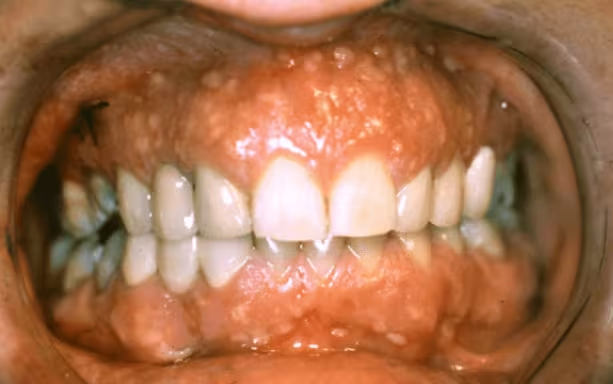
Figure 14.
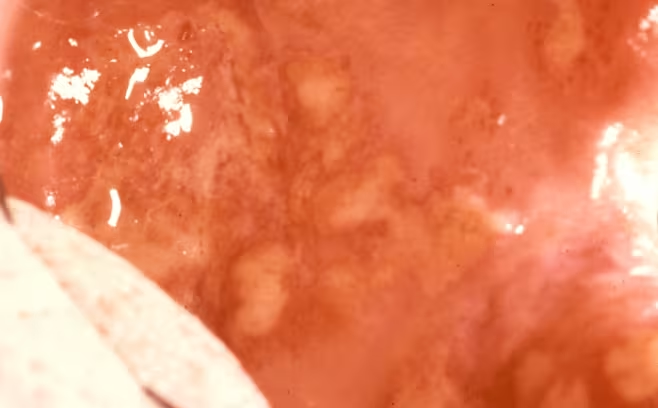
Figure 15.
Type III or immune complex-mediated hypersensitivity reaction with vasculitis in response to tetracycline therapy.
Type IV hypersensitivity or delayed T cell-mediated reactions are mediated by immunologically committed T lymphocytes. In susceptible patients, cytokines and other mediators of inflammation are released within 2 to 7 days of re-exposure to an allergen.1,3,20 Clinical manifestations include allergic contact dermatitis/mucositis (Figures 16 and 17) or a drug-induced maculopapular rash. With repeated antigenic challenge, the response becomes more profound, including fever, malaise, and angioedema in target tissues.
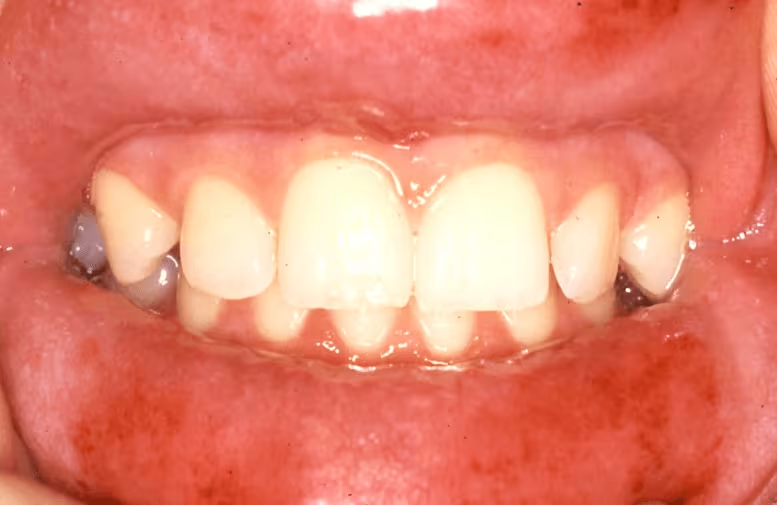
Figure 16. Type IV or delayed hypersensitivity reaction in response to a cinnamon-flavored sugar-free gum.
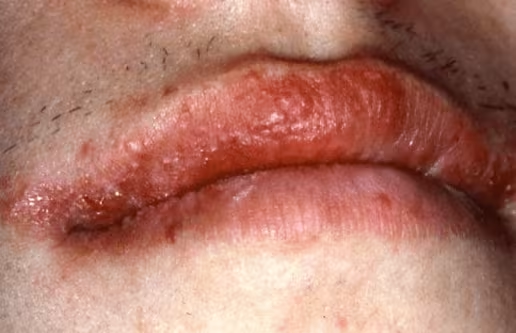
Figure 17. Type IV or delayed hypersensitivity reaction in response to an OTC lip balm containing benzocaine.