

Methamphetamine: Implications for the Dental Team
Course Number: 332
Course Contents
Oral Manifestations of Methamphetamine Abuse
Methamphetamine use may produce profound oral manifestations that represent some of the most recognizable complications encountered by dental professionals (Figures 6A and 6B).
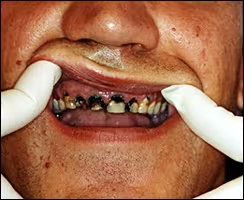
Figure 6A. Damage caused by meth.
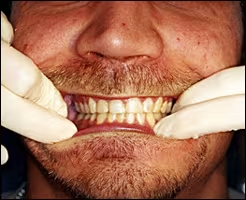
Figure 6B. Post-treatment.
Images used with permission of Dr. J. Allen, Cincinnati, Ohio
Although the term "meth mouth" is widely used to describe the characteristic pattern of severe dental destruction associated with chronic methamphetamine use, current evidence indicates that these oral findings result from the combined effects of xerostomia, poor oral hygiene, frequent consumption of sugar-containing beverages, dietary neglect, bruxism, prolonged sympathetic stimulation, and reduced utilization of preventive dental care.9,13,15
The severity of oral disease varies considerably among individuals and is influenced by the duration and frequency of methamphetamine use, route of administration, coexisting tobacco or alcohol use, nutritional status, oral hygiene practices, access to dental care, and underlying medical conditions. Consequently, not every individual who uses methamphetamine will develop the classic appearance of "meth mouth."9,12,44
The characteristic clinical appearance illustrated in Figures 6A and 6B reflects the cumulative effects of these interacting factors rather than a single pathologic process. Understanding the multifactorial nature of methamphetamine-associated oral disease is essential for accurate diagnosis, individualized risk assessment, patient education, prevention, and treatment planning.
The following sections examine each of the major contributors to methamphetamine-associated oral disease and discuss their implications for contemporary dental practice.9,13,44